Animals You May See in Cocoa Beach
A visual wildlife guide to the dolphins, manatees, and coastal birds that call the Indian River Lagoon and Space Coast home.
The Space Coast Ecosystem
When you sail with Cocoa Beach Catamaran, you are entering one of the most biodiverse estuaries in North America. The Indian River Lagoon system supports over 4,300 species of plants and animals. While wildlife is wild and unpredictable, here is a guide to the incredible creatures you might encounter on your journey.
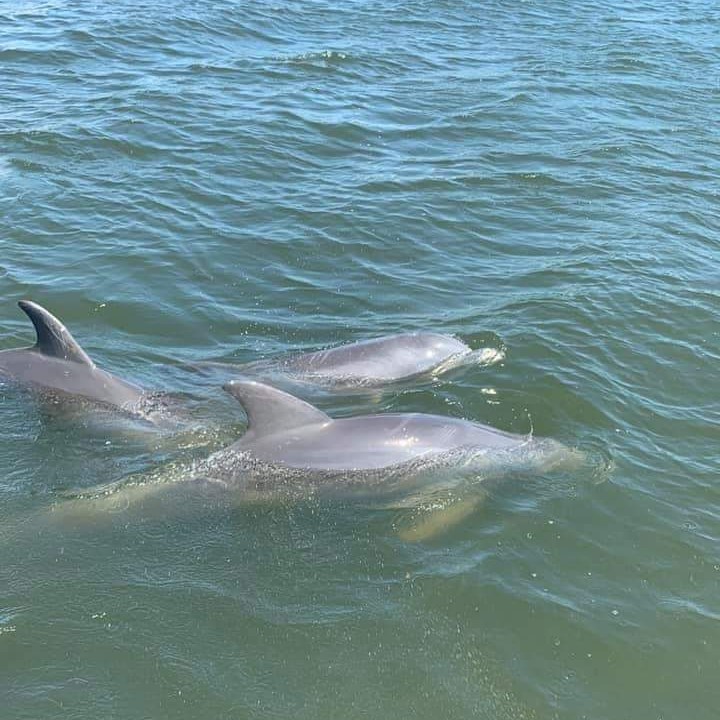
Atlantic Bottlenose Dolphins
The Indian River Lagoon is home to a resident population of bottlenose dolphins. Unlike ocean dolphins that migrate, these dolphins stay in the lagoon system year-round, meaning they can be spotted in any season.
- Habitat: Shallow coastal waters, estuaries, and bays.
- Fun Fact: They use a technique called "fish whacking" where they stun fish with their tails.
- When Seen: Year-round, often playing in boat wakes or hunting near mangroves.
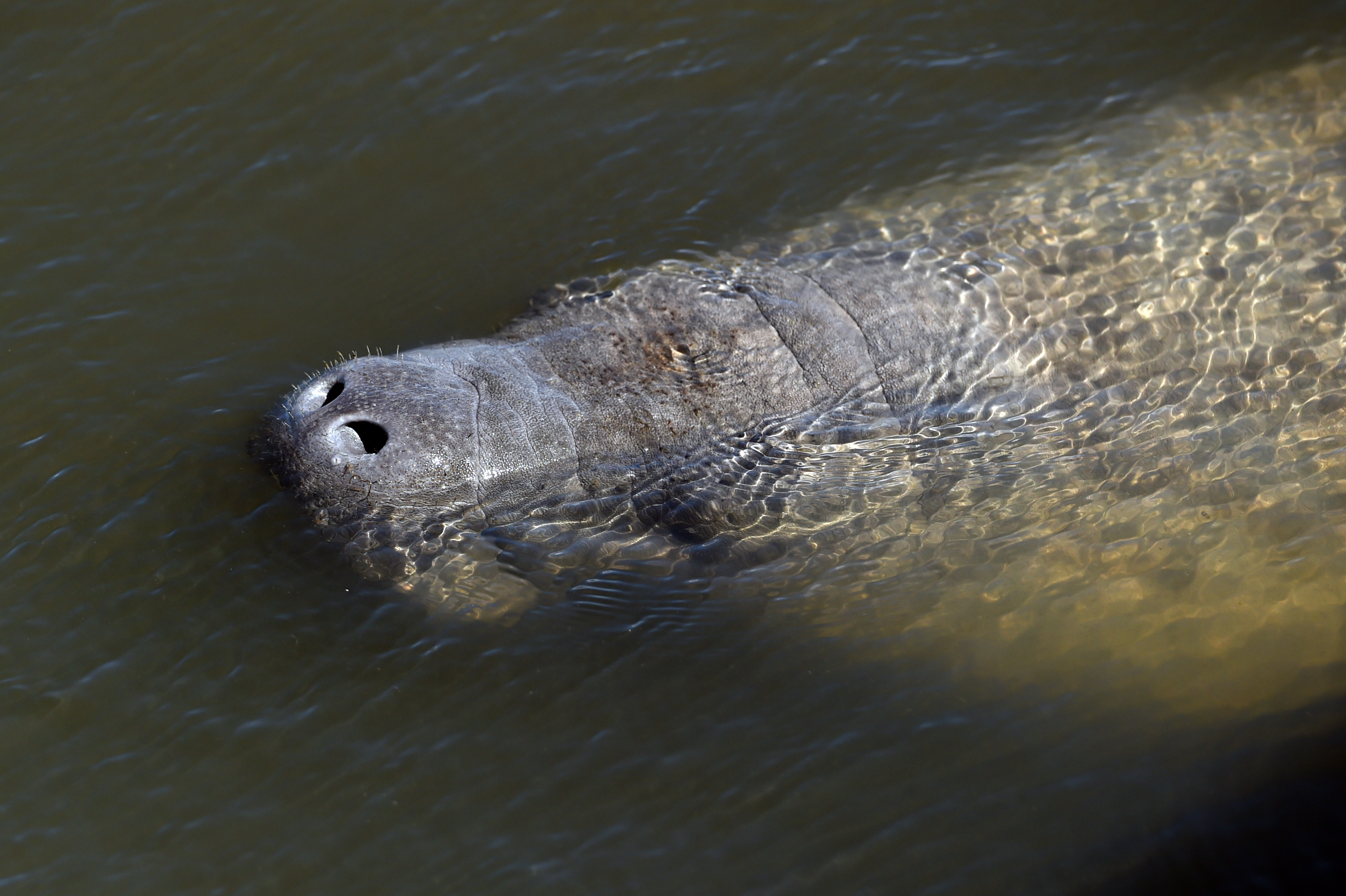
West Indian Manatees
Often referred to as "sea cows," manatees are large, fully aquatic marine mammals. They are herbivores, spending most of their time grazing on seagrass beds in the shallow waters of the lagoon.
- Habitat: Warm, shallow coastal waters and rivers.
- Fun Fact: Manatees can eat up to a tenth of their own weight in seagrass every day.
- When Seen: Most active in the warmer months (spring and summer), though they can be spotted year-round.
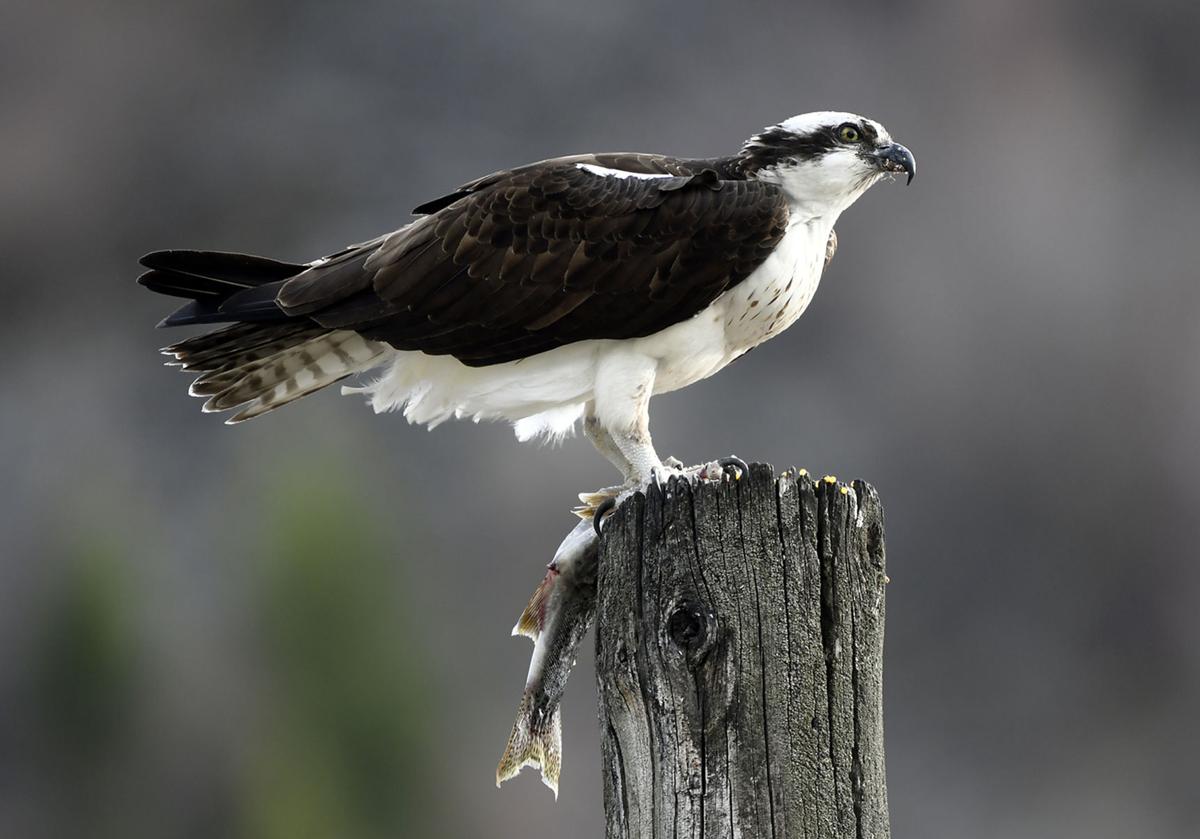
Osprey (Sea Hawks)
The osprey is a magnificent bird of prey that is a common sight along the Space Coast. You will often see them perched on channel markers, nesting on tall platforms, or diving spectacularly into the water to catch fish.
- Habitat: Coastal areas, always near water.
- Fun Fact: They have reversible outer toes that help them grasp slippery fish.
- When Seen: Year-round. Look up at the channel markers as we sail!
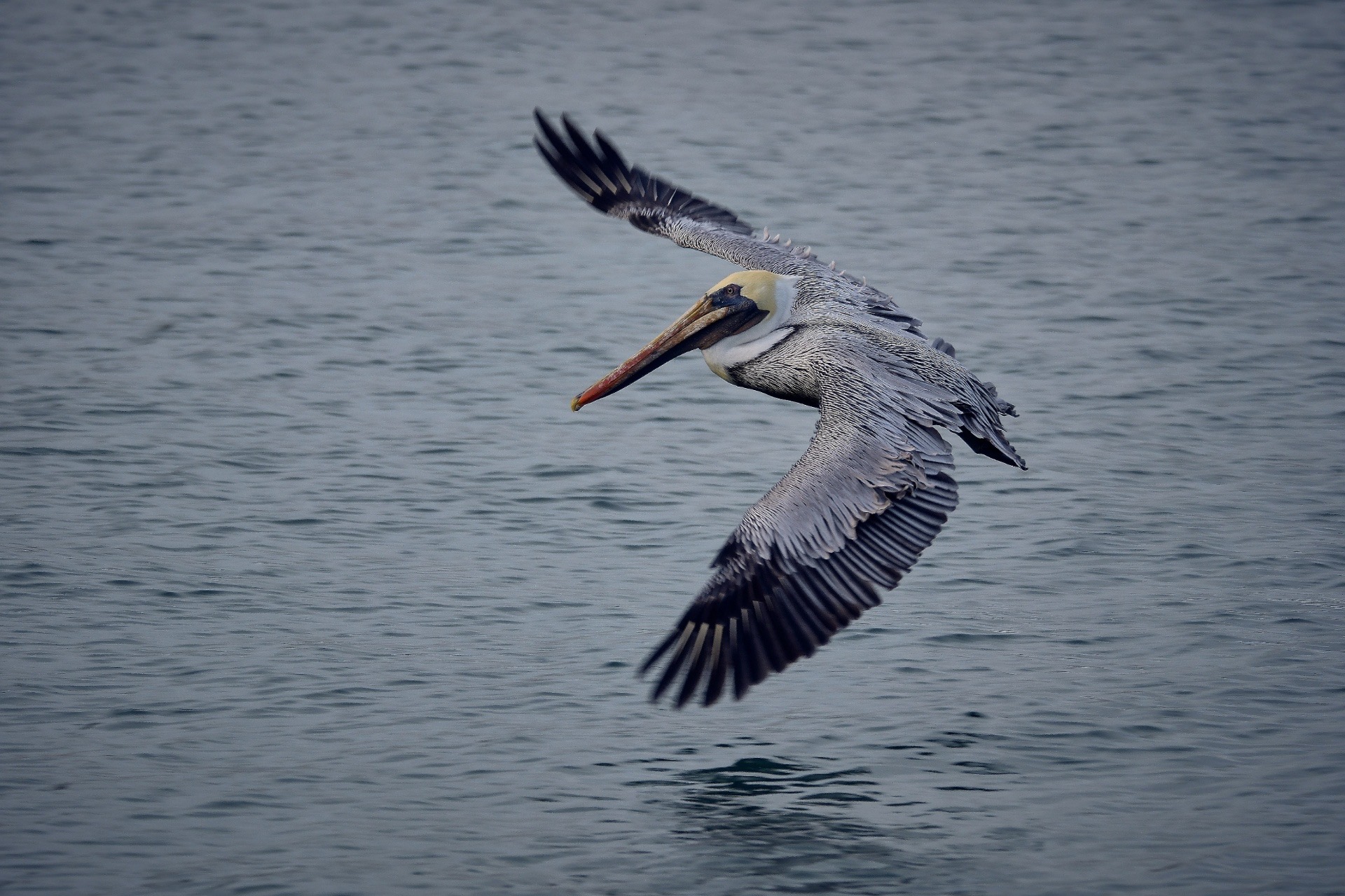
Brown Pelicans
A classic icon of Florida's coast, the brown pelican is known for its dramatic plunge-diving feeding style. They often fly in straight lines low over the water, utilizing the aerodynamic "ground effect" to save energy.
- Habitat: Beaches, bays, and estuaries.
- Fun Fact: Their throat pouch can hold up to 3 gallons of water—more than their stomach!
- When Seen: Year-round, often resting on docks or diving for baitfish.
More Coastal Wildlife
Keep your eyes peeled for these incredible creatures.
Roseate Spoonbills
Often mistaken for flamingos, these bright pink birds sweep their spoon-shaped bills side to side in shallow water to catch small fish and crustaceans.
Great Blue Herons
The largest heron in North America. They stand statuesque along the mangrove shorelines, waiting patiently to strike at passing fish.
Southern Stingrays
Often seen gliding gracefully over the sandy bottom in shallow, clear water. They are peaceful bottom-feeders.
Mullet Fish
You will constantly see these silver fish jumping completely out of the water! They are a primary food source for our resident dolphins.
Sea Turtles
While more common on the ocean side, juvenile green sea turtles and loggerheads occasionally enter the lagoon to forage.
Snowy Egrets
Beautiful white wading birds known for their striking yellow feet, which they use to stir up fish in the shallows.
See Why Thousands Of Guests Love Sailing With Us
Real reviews from guests who have experienced our small-group sailing adventures, dolphin encounters, sunset sails, and private charters.